
For years, hair restoration lived on the fringes of medical aesthetics, often viewed as niche, surgical, or reserved for a specific patient demographic. That perception is rapidly changing.
New industry data shows hair treatments are now one of the fastest-growing offerings across medical aesthetic practices in the U.S. This is driven by rising patient demand and a shift toward non-surgical, technology-based solutions.
What was once a specialty service is quickly becoming a core category.

Hair treatment adoption has more than doubled
According to QSight data, the percentage of medical aesthetic practices offering hair transplantation and restoration treatments has more than doubled since 2017, growing from under 20% to over 40% of practices today.
This growth reflects a structural change in how practices are expanding services to meet patient needs.
Hair is no longer treated as an optional add-on. It’s being integrated alongside skin, body, and energy-based treatments as part of a more comprehensive aesthetic offering.
Patient spending on hair continues to climb
Total annual U.S. patient spending on hair transplantation and restoration at medical aesthetic practices has increased dramatically over the same period, reaching over $450 million in recent years.

This upward trend highlights two important shifts:
-
Patients are actively seeking hair solutions — and are willing to invest in them
-
Hair loss is being treated as a long-term condition, not a one-time procedure
Unlike many aesthetic treatments, hair loss often requires ongoing care, making it a recurring, relationship-driven category rather than a transactional one.
What’s driving patient demand?
Several factors are accelerating interest in hair restoration:
Broader patient demographics
Hair loss is no longer perceived as a men-only issue. More women are seeking professional solutions for thinning, shedding, and scalp health concerns.
Increased awareness and normalization
There is more education around hair loss fueled by social media, telehealth, and direct-to-consumer brands. This awareness has reduced stigma and encouraged earlier intervention.
Preference for non-surgical solutions
Many patients want effective options that don’t involve surgery, long recovery times, or aggressive intervention.
As a result, practices are seeing increased demand for treatments that support hair health without disrupting patients’ daily lives.
Hair loss is a scalp and cellular issue — not just follicles
Modern hair restoration is shifting away from a single-solution mindset.
Research increasingly points to hair loss as a multifactorial condition involving:
-
Inflammation
-
Reduced circulation
-
Impaired cellular signaling
-
Compromised scalp environment
Because of this, today’s most effective hair protocols focus on improving overall scalp health and stimulating follicles at multiple biological levels.
This has driven interest in combination, technology-based approaches rather than isolated treatments.
The role of non-surgical technologies in modern hair protocols
As understanding of hair biology evolves, so does the technology supporting it.
Common modalities being incorporated into hair restoration protocols include:
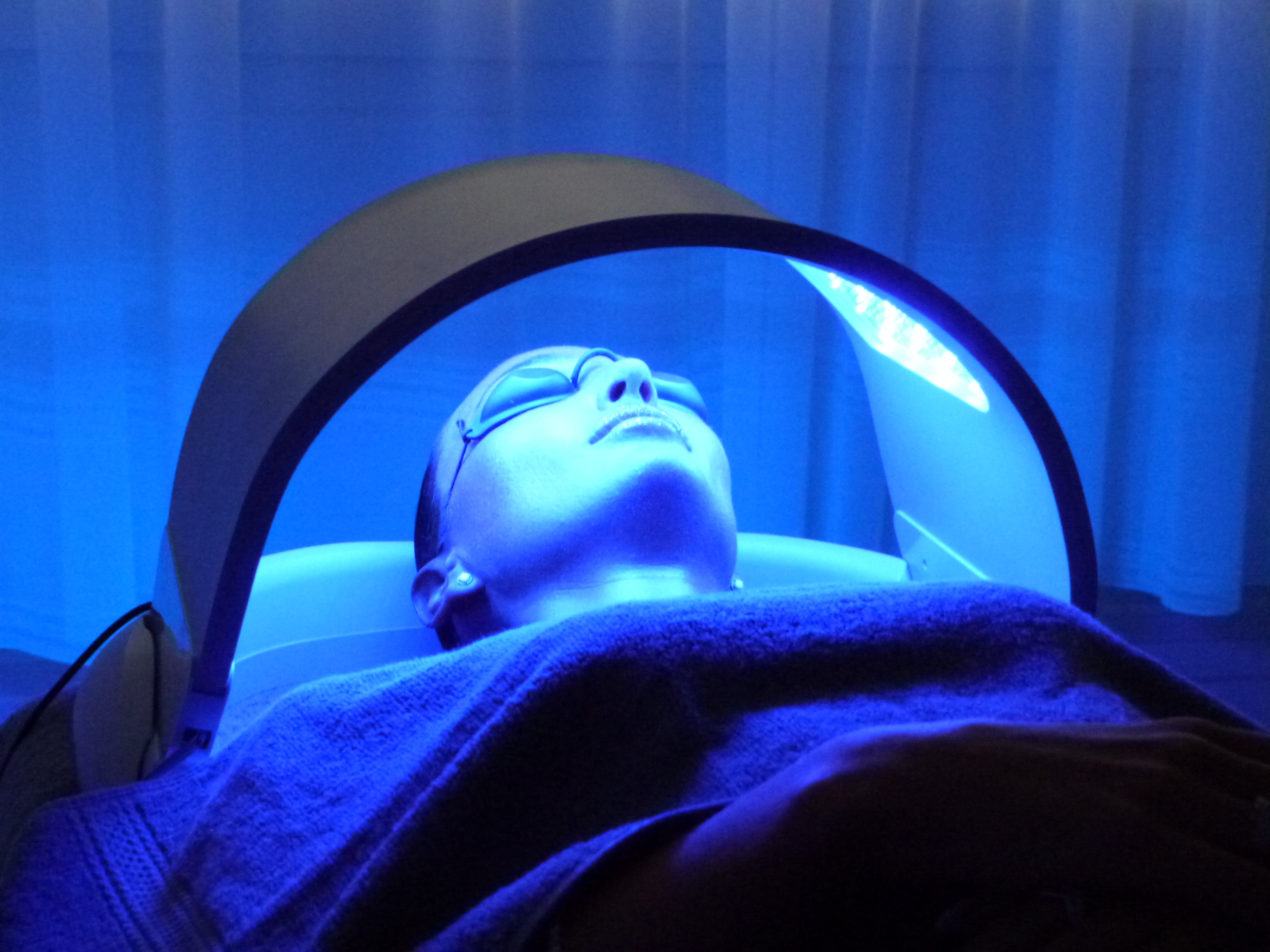
LED phototherapy
Used to support circulation, reduce inflammation, and stimulate follicular activity through specific wavelengths of light.
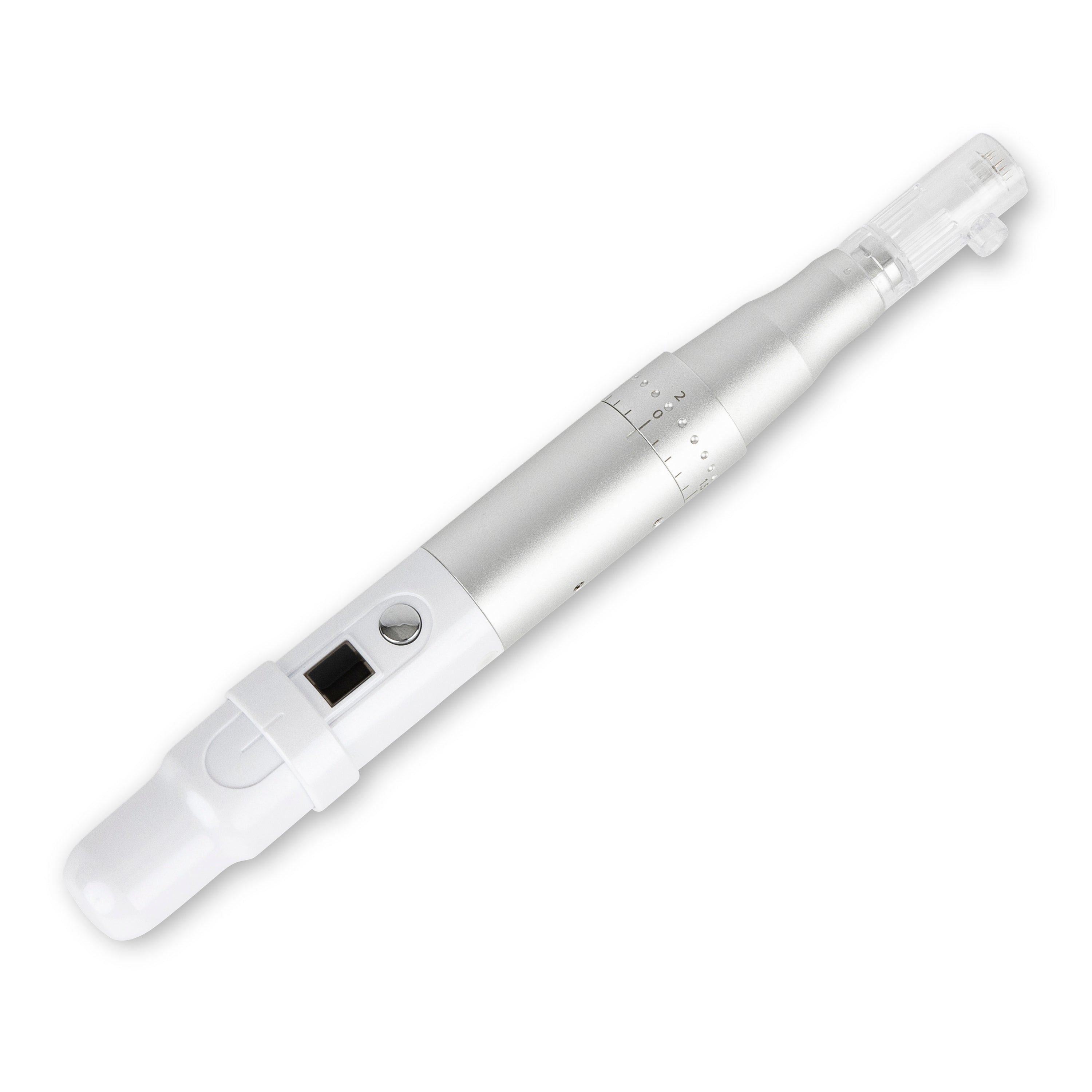
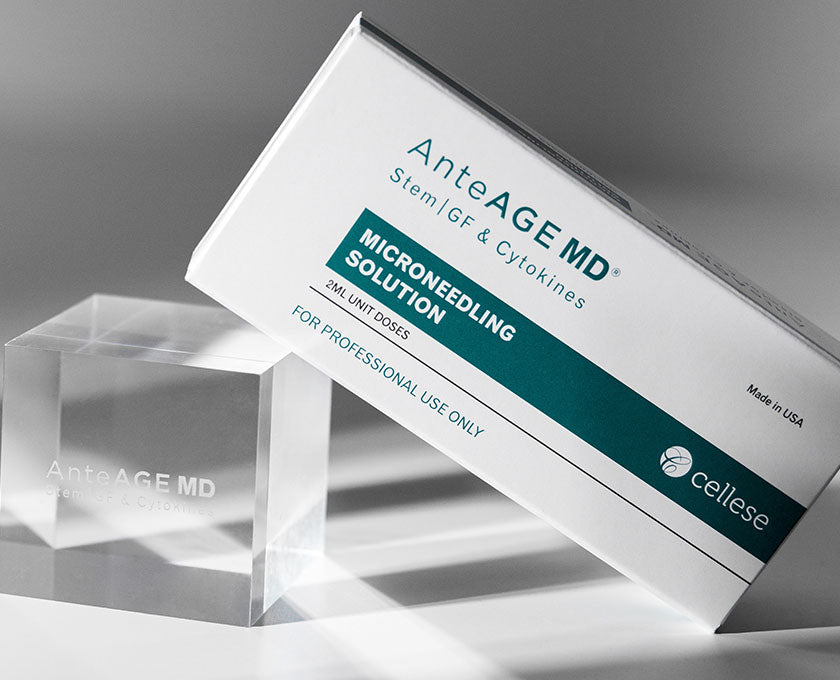
Microneedling
Creates controlled micro-injury to activate growth factors and improve absorption of topical treatments.
Pulsed cold plasma
A newer, non-thermal technology being explored for its ability to influence cellular signaling, scalp health, and regenerative responses without tissue damage.
These technologies are often used together to address hair loss from multiple angles — supporting the scalp environment while encouraging follicle activity.
Where WhisperMED fits into the evolving hair landscape
At WhisperMED, our approach to hair restoration centers on evidence-based, non-surgical technologies designed to integrate seamlessly into modern aesthetic practices.
Our hair solutions include:
-
KeraJuv – pulsed cold plasma technology designed for scalp and hair applications
-
Dermalux – LED phototherapy systems used in comprehensive hair protocols
-
JuvPen – microneedling devices commonly incorporated into scalp treatments
Each technology is designed to support combination protocols that reflect how hair restoration is being practiced today. Not as a standalone service, but as part of a holistic, long-term care strategy.
Looking ahead
As patient demand continues to rise, hair restoration is no longer a niche service. It’s becoming a foundational category within medical aesthetics.
Practices that invest early in education, technology, and thoughtful treatment protocols will be best positioned to meet patient expectations and to grow alongside one of the industry’s fastest-expanding segments.