
For more than a decade, injectables have defined modern aesthetics. Botulinum toxin became routine, dermal fillers reshaped profiles in under an hour, and preventative treatments entered the mainstream. According to the American Society of Plastic Surgeons (ASPS), nearly 8.8 million botulinum toxin procedures and more than 5.2 million soft tissue filler treatments were performed in the United States in 2023.
Injectables remain dominant in overall procedure volume. However, growth patterns suggest the industry is expanding beyond a single-modality framework.
Scale vs. Acceleration
While injectables operate at scale, regenerative procedures are accelerating at a faster rate. ASPS procedural data shows that microneedling treatments increased from approximately 600,000 in 2019 to more than 2.6 million in 2023. That represents more than a fourfold increase in just four years.

When viewed side by side, injectables demonstrate steady growth, while microneedling reflects accelerated expansion. That difference in growth trajectory signals where provider investment and patient demand are increasing most rapidly.
Market Growth Signals Direction
Market projections reinforce this shift in focus. The global injectables market is estimated at approximately $15–17 billion with projected annual growth between 8–10% (Grand View Research, 2023). In contrast, the global energy-based and regenerative aesthetic technologies market is forecasted to grow at approximately 12–15% CAGR (Fortune Business Insights, 2024).
While both categories are expanding, regenerative technologies are growing at a faster rate. Growth acceleration often signals where innovation, capital investment, and long-term strategic positioning are concentrated.

From Volume to Tissue Health
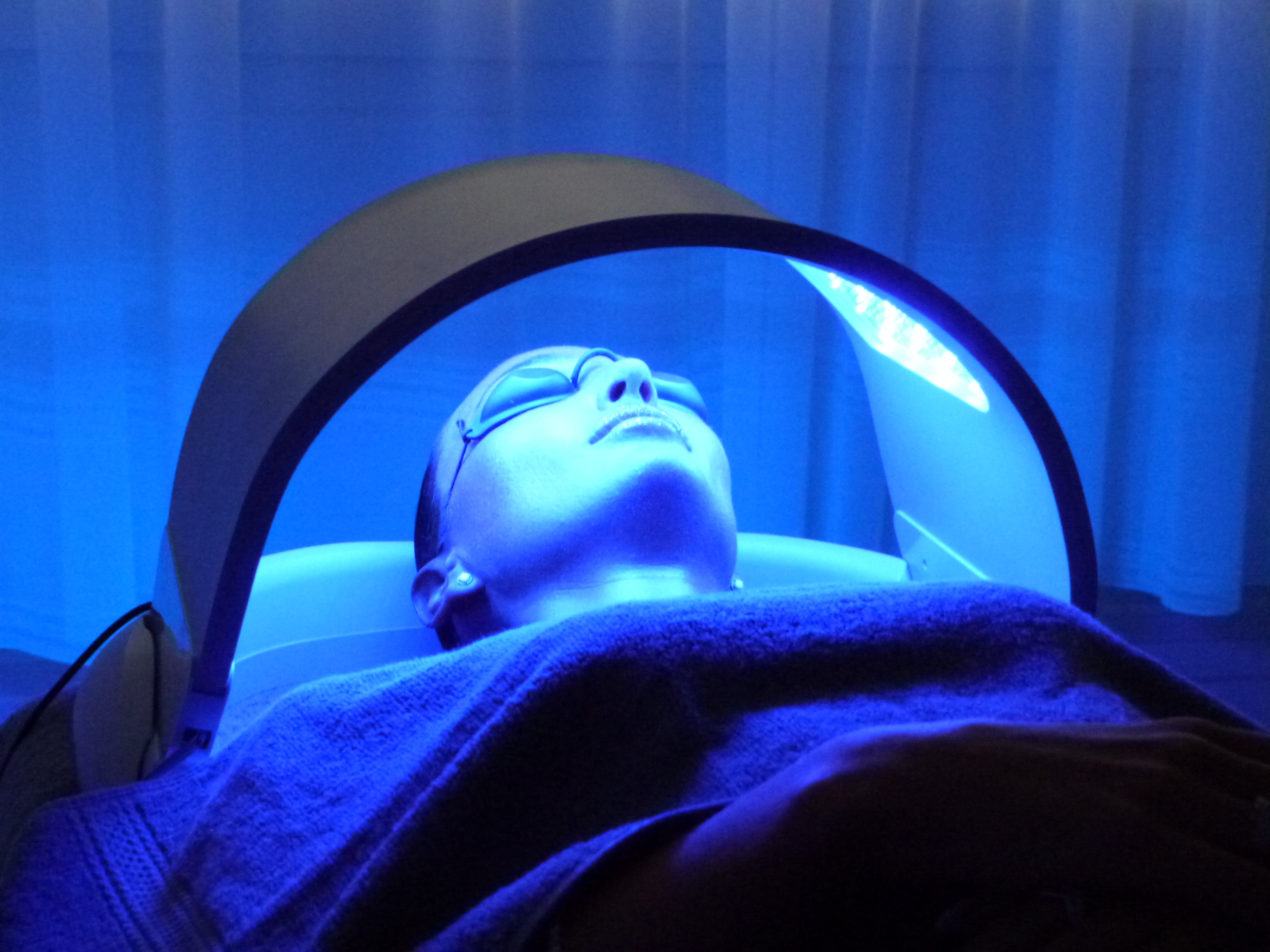
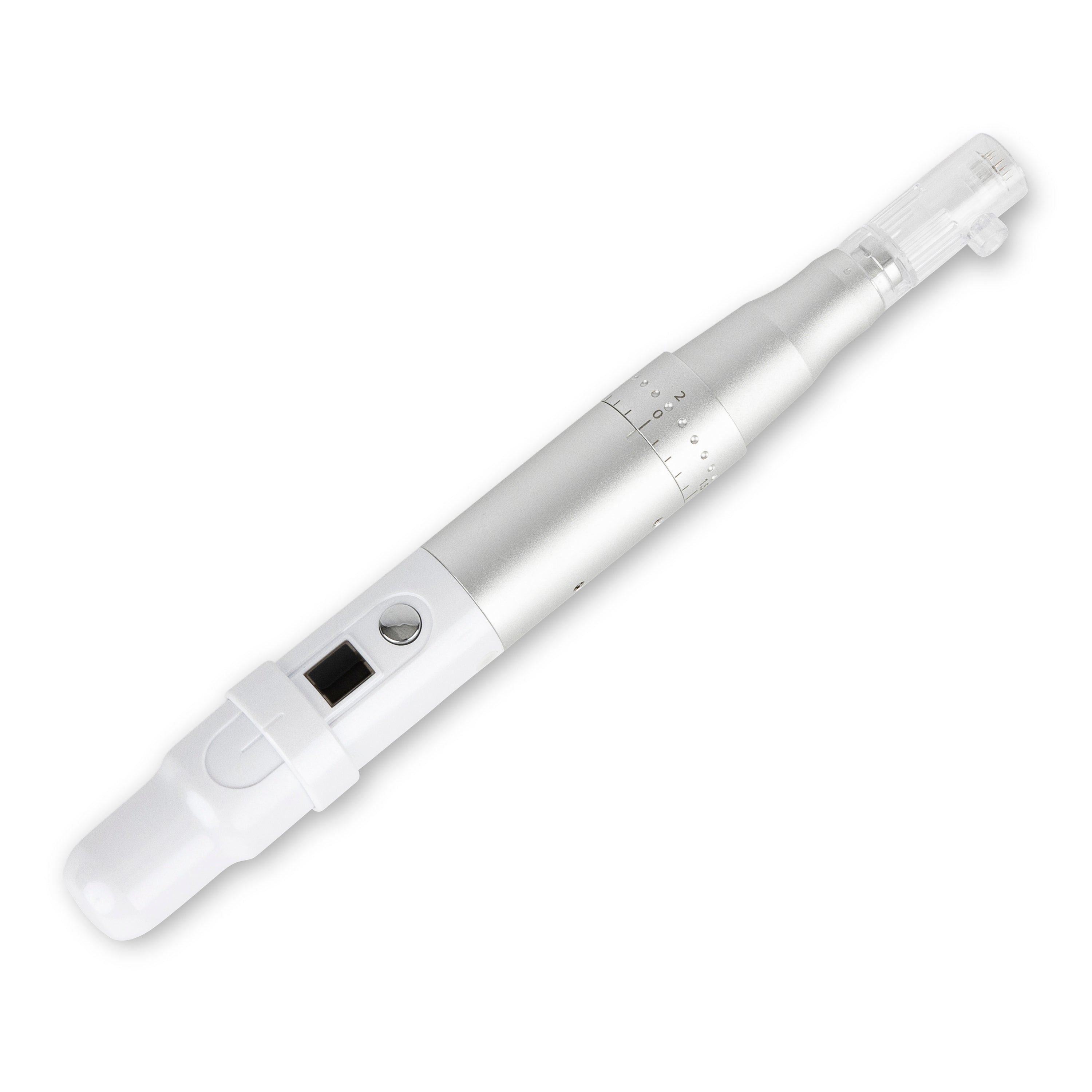
Regenerative aesthetics includes treatments designed to stimulate the body’s natural repair mechanisms, including microneedling, LED phototherapy, platelet-rich plasma (PRP), exosomes, and other energy-based modalities. Rather than substituting lost volume, these treatments aim to support collagen production and improve tissue integrity over time.
Injectables are not disappearing. However, as patient priorities shift toward skin quality, longevity, and biologically aligned outcomes, regenerative aesthetics is emerging as a central pillar of modern aesthetic practice.
The data does not suggest the end of injectables. It suggests expansion. The aesthetic landscape is broadening, and regeneration is becoming integral to how providers and patients approach sustainable results.
Sources
-
American Society of Plastic Surgeons (2023). 2023 Plastic Surgery Statistics Report.
-
Grand View Research (2023). Botulinum Toxin Market Report.
-
Fortune Business Insights (2024). Energy-Based Aesthetic Devices Market Report.
-
Allergan Aesthetics (2022). The Future of Aesthetics Global Trends Report.
Read more
GLP-1 medications have rapidly moved from niche to mainstream, transforming patient health and reshaping aesthetic concerns in the process. Patients may be thrilled with their results, but many are...
Why Patients Are Choosing Maintenance Over Major Surgery Over the past decade, aesthetic medicine has undergone a fundamental transformation. The modern patient is no longer primarily seeking drama...