
And aesthetic practices are seeing the effects firsthand.
GLP-1 medications have rapidly moved from niche to mainstream, transforming patient health and reshaping aesthetic concerns in the process. As weight loss accelerates, providers are encountering a new category of skin and hair changes that extend beyond traditional aging or lifestyle factors.
Patients may be thrilled with their results, but many aren’t prepared for what comes next and they’re turning to aesthetic providers for answers.
What the data is showing
Recent dermatology literature and post-marketing surveillance (2022–2025) reveal consistent patterns associated with GLP-1 use and rapid weight loss.¹²

These findings closely mirror what providers are reporting in practice — including increased hair shedding several months into treatment, visible changes in facial structure, and skin that appears thinner or less resilient following rapid fat loss.¹
Why this matters for aesthetic practices
Many of these changes aren’t caused by the medication itself, but by metabolic stress, nutritional shifts, and accelerated fat loss. When these effects aren’t addressed early, patients can feel caught off guard even when weight loss goals are met.
For practices, this presents both a challenge and a clear opportunity.
Providers who proactively support skin integrity, elasticity, circulation, and scalp health during a patient’s GLP-1 journey are better positioned to improve outcomes, build confidence, and strengthen long-term retention.
Where technology fits in
Non-invasive, regenerative modalities are becoming cornerstone solutions for GLP-1 patients — particularly when used preventatively rather than reactively.
-
Scalp-focused treatments, like KeraJuv, help support follicular signaling and scalp health during periods of physiological stress
-
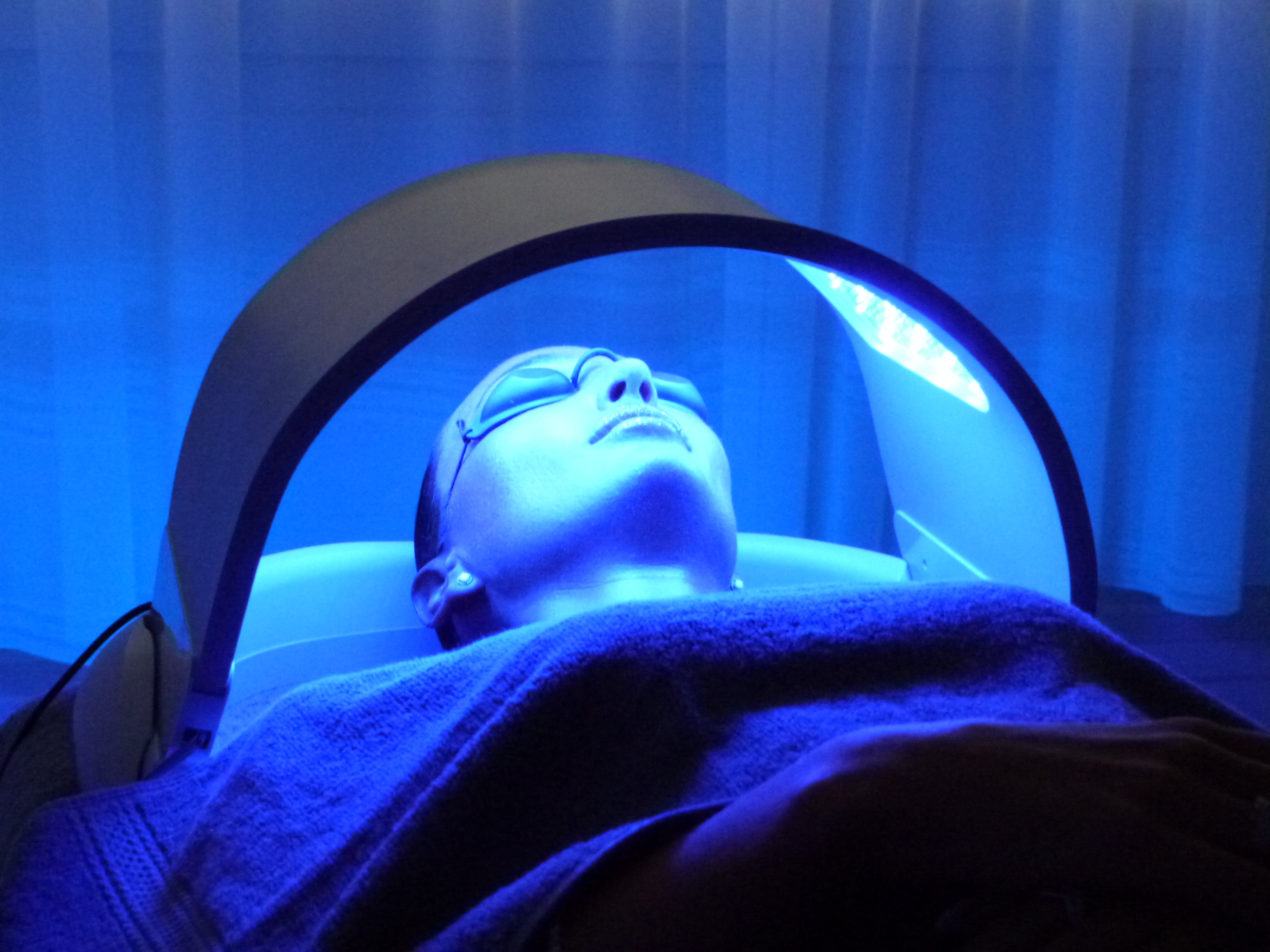
LED light therapy supports circulation, reduces inflammation, and promotes overall tissue health during rapid metabolic change
-
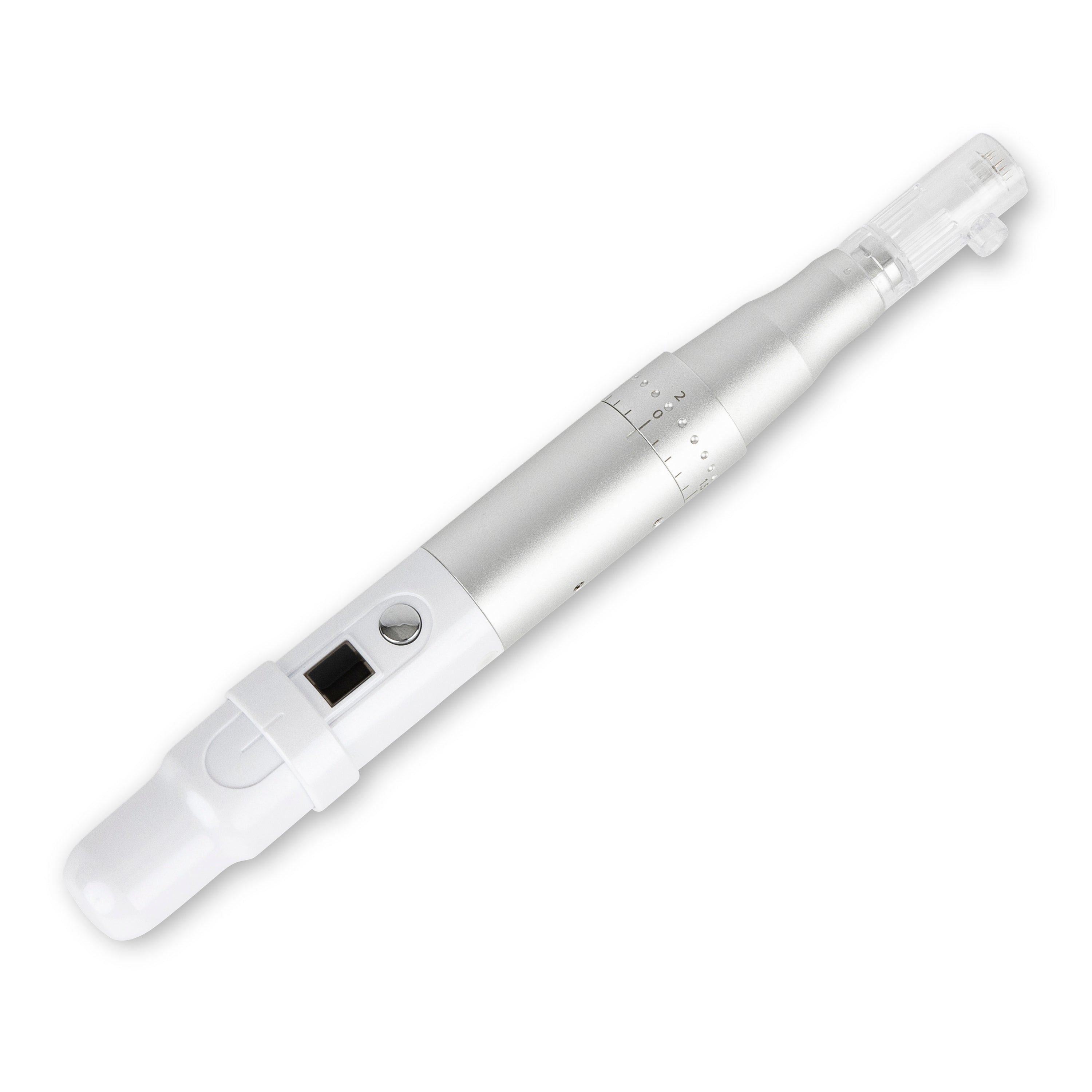
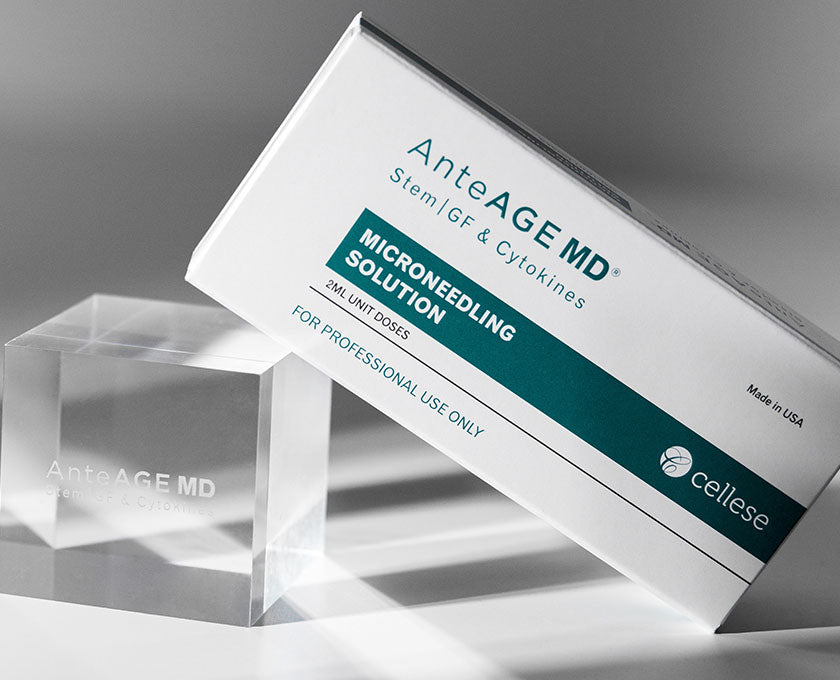
Microneedling continues to play a key role in addressing skin laxity and quality by stimulating collagen production and enhancing treatment absorption
The business case providers are paying attention to
Beyond clinical outcomes, these services consistently perform well from a business standpoint:
-
Multi-session scalp and hair protocols support predictable, repeat revenue
-
LED treatments offer low-consumable, high-margin integration into existing workflows
-
Microneedling remains a high-demand service with fast breakeven timelines
As GLP-1 adoption continues to rise, these treatments are increasingly becoming add-ons patients didn’t know they needed until they’re educated.
Staying ahead of the shift
GLP-1 medications aren’t a passing trend. They’re redefining patient expectations and aesthetic priorities.
Practices that adapt early by integrating supportive, regenerative technologies are better equipped to meet patients where they are and guide them through every stage of transformation.
At WhisperMED, we believe innovation starts with understanding the patient journey and equipping providers with technologies that support patients through every phase of change.
This article references peer-reviewed medical literature to support clinical observations.
References
-
Nauck, M. A., & Meier, J. J. (2023). Dermatologic implications of glucagon-like peptide-1 receptor agonists. Skin Appendage Disorders, 11(5), 416–424.
https://karger.com/sad/article/11/5/416/921780/Dermatologic-Implications-of-Glucagon-Like-Peptide -
U.S. National Library of Medicine. (2024). Cutaneous effects associated with GLP-1 receptor agonist therapy.
https://pubmed.ncbi.nlm.nih.gov/41058954/
Read more
New industry data shows hair treatments are now one of the fastest-growing offerings across medical aesthetic practices in the U.S. This is driven by rising patient demand and a shift toward non-su...
For more than a decade, injectables have defined modern aesthetics. Botulinum toxin became routine, dermal fillers reshaped profiles in under an hour, and preventative treatments entered the mainst...