
Why regeneration is replacing transformation in modern aesthetics
Over the past decade, aesthetic medicine hasn’t just evolved, it has recalibrated around a new patient mindset. Where dramatic, visible transformations once defined success, today’s patient is seeking something far more nuanced: results that are undetectable, progressive, and rooted in skin health. This shift is not subtle, and it is directly fueling the growth of regenerative treatments like microneedling.
A New Definition of Results
Patients are no longer chasing change. They are chasing improvement without detection. Instead of asking how they can look different, they are increasingly asking how they can look better without anyone knowing why. This shift in perspective is driving a clear preference for non-invasive, low-downtime treatments that support natural collagen stimulation and avoid outcomes that appear artificial or overcorrected.
This trend is reflected in broader industry data, with approximately 70% of patients indicating a preference for non-invasive treatment options over surgical procedures.³ This shift is reflected clearly in patient preference data:

Why Microneedling Is Gaining Momentum
Microneedling aligns with this shift at a fundamental level. Rather than altering the face through volume or restriction, it works by stimulating collagen and elastin production while activating the skin’s natural repair processes. Over time, this leads to improvements in tone, texture, and overall skin quality.
Clinical research supports this mechanism, showing that microneedling initiates a controlled wound-healing cascade that leads to long-term dermal remodeling rather than temporary surface change. Studies have also demonstrated that collagen and elastin production can increase by up to 400% over time following a series of treatments, reinforcing its role as a regenerative, rather than purely cosmetic, approach.¹ This regenerative effect continues well beyond the initial treatment:

Regenerative Aesthetics Is the Bigger Trend
Microneedling is not growing in isolation. It is part of a broader movement toward regenerative aesthetics, where treatments are designed to work with the body’s biology rather than override it. Patients are increasingly prioritizing approaches that deliver progressive, buildable results while supporting long-term skin function.
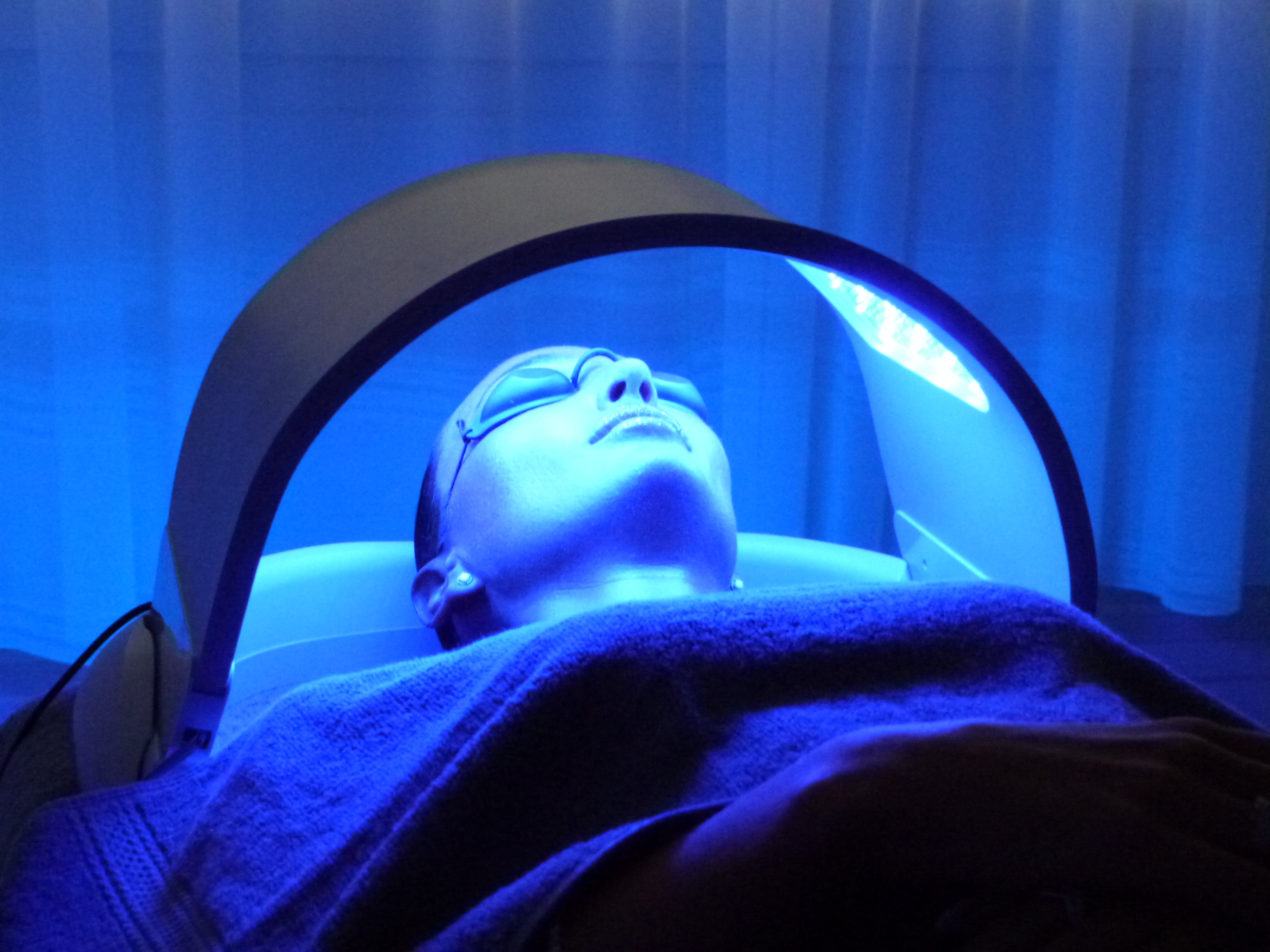
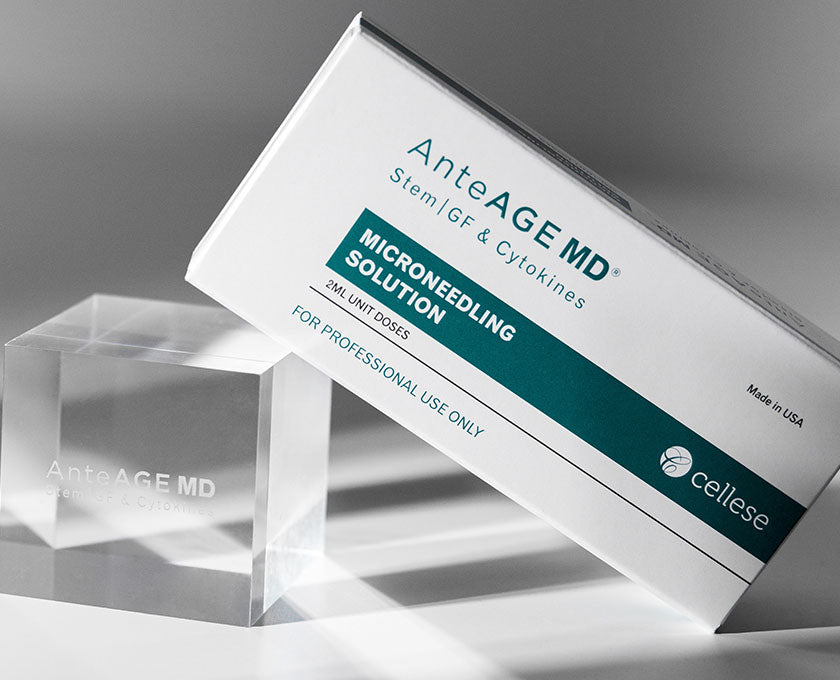
As a result, microneedling is frequently integrated into combination protocols. These often include growth factors, peptide-based topicals, LED phototherapy, and advanced scalp or skin technologies. Together, these modalities enhance outcomes while maintaining the natural aesthetic patients are seeking.
From Treatment to Strategy
For providers, this shift is more than clinical—it is operational. Microneedling supports a series-based treatment model, which encourages consistency, improves patient retention, and creates opportunities to expand offerings across both skin and scalp.

Clinical outcomes also improve significantly with repeated treatments, with studies showing progressive increases in skin quality as the number of sessions increases.² As outcomes improve over time, microneedling becomes less of a standalone service and more of a foundational component in long-term treatment planning.
Key Takeaway
The modern patient does not want to look different. They want to look like themselves at their best. Treatments that support that goal will continue to shape the next phase of aesthetic medicine.
For providers, adapting to this shift means refining both technique and treatment strategy. As microneedling continues to evolve, education and protocol optimization will play a critical role in achieving consistent, high-quality outcomes.
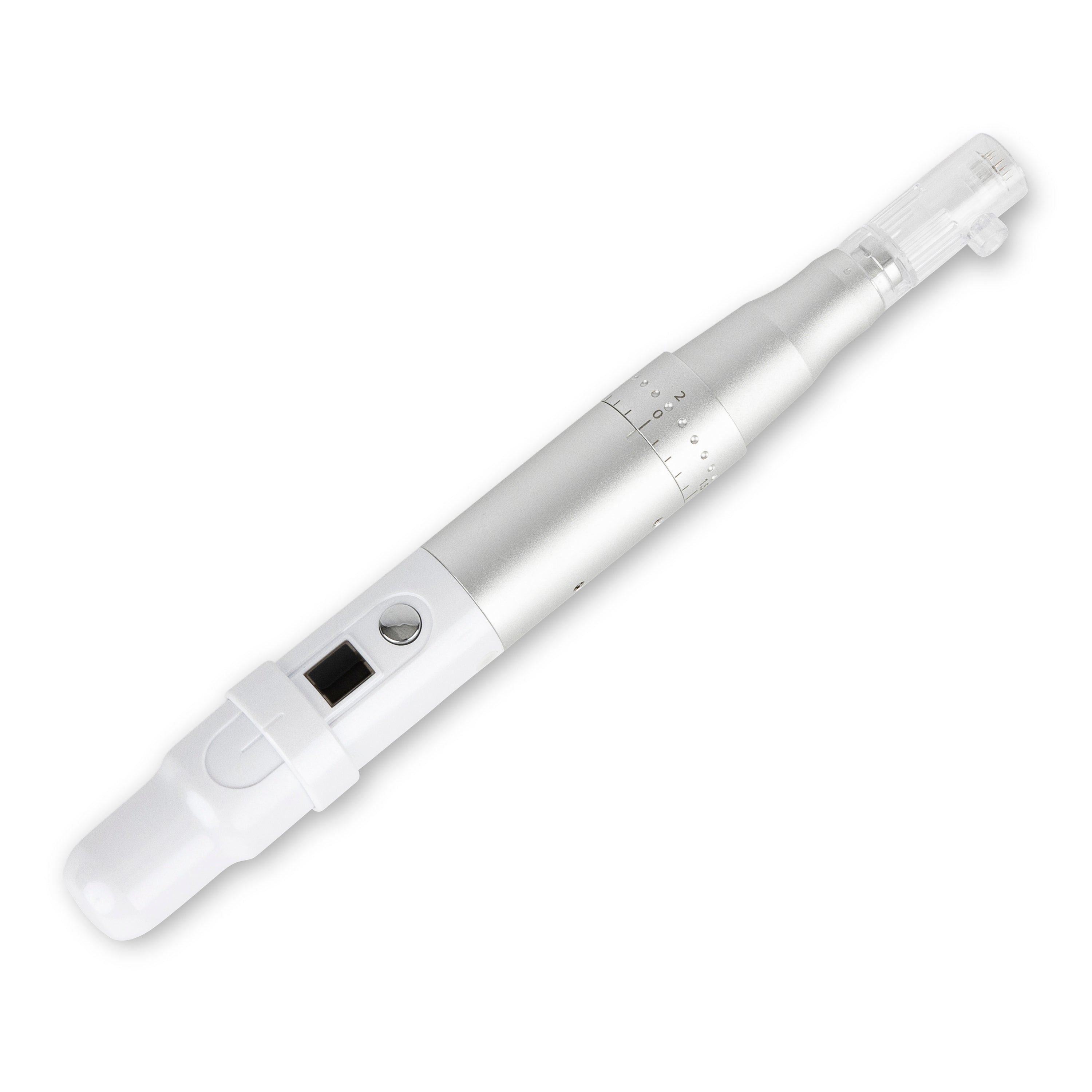
Click here to learn more about JuvPen: https://whispermed.com/pages/juvpen
Sources
¹ Aust et al., Plastic and Reconstructive Surgery, 2008; El-Domyati et al., Journal of Clinical and Aesthetic Dermatology, 2015
² Alster & Graham, Dermatologic Surgery, 2018; Juhasz et al., Dermatologic Surgery, 2020
³ American Society for Dermatologic Surgery (ASDS) Consumer Survey, 2023; American Society of Plastic Surgeons (ASPS), 2023 Annual Report
Read more
Why Patients Are Choosing Maintenance Over Major Surgery Over the past decade, aesthetic medicine has undergone a fundamental transformation. The modern patient is no longer primarily seeking drama...
Regenerative aesthetics has reshaped how providers approach both skin and hair concerns. By working with the body—stimulating collagen production, improving tissue quality, and supporting natural r...