
A Closer Look at Biological Limitations in Treatment Outcomes
Regenerative aesthetics has reshaped how providers approach both skin and hair concerns. By working with the body—stimulating collagen production, improving tissue quality, and supporting natural repair—these treatments offer a more subtle, long-term pathway to results.
As adoption continues to grow, so does a consistent clinical observation: not every patient responds the same way. Some experience visible improvement within a few sessions, while others progress more slowly or plateau despite consistent treatment. This variability can be frustrating, particularly when protocols are executed correctly.
In many cases, the limitation isn’t the treatment itself. It's the biological context in which it’s performed.
Understanding Variability in Regenerative Response
When outcomes fall short of expectations, the instinct is often to adjust the treatment, modifying depth, increasing frequency, or introducing new products. While these adjustments can be appropriate, they do not always address the underlying limitation.
Regenerative outcomes are influenced by a range of internal and external variables, many of which exist beyond the treatment itself. Recognizing these factors allows providers to take a more comprehensive and clinically informed approach.
Key Factors That Influence Treatment Outcomes

Chronic Inflammation
Low-grade, systemic inflammation can interfere with the body’s natural healing response. Even when controlled micro-injury is introduced, the regenerative cascade may be diminished, leading to reduced collagen production and slower visible improvement.
Hormonal and Metabolic Factors
Hormonal fluctuations play a significant role in both skin and hair physiology. Patients who are postpartum, under chronic stress, or experiencing rapid weight loss—such as those using GLP-1 medications—may exhibit less predictable or delayed responses to treatment.
Nutrient and Cellular Support
Effective regeneration requires adequate internal resources. Collagen synthesis, tissue repair, and follicular activity depend on sufficient nutritional and cellular support. When these systems are compromised, treatment outcomes may be limited despite proper technique.
The Tissue Environment
One of the most overlooked variables is the condition of the tissue itself. Regenerative treatments rely not only on stimulation, but also on the environment in which that stimulation occurs.
Factors such as microcirculation, oxygenation, cellular signaling, and overall tissue receptivity play a critical role in determining how effectively the body responds.
The Role of the Microenvironment
In regenerative aesthetics, focus is often placed on the tools and products being used. Increasingly, however, attention is shifting toward the functional state of the tissue.
Skin and scalp are dynamic biological systems. Cellular activity depends on adequate oxygen delivery, nutrient availability, and signaling pathways that support repair and regeneration. When these processes are impaired, even well-executed treatments may produce suboptimal results.

Where Pulsed Cold Plasma Fits
As the field evolves, technologies that support the tissue environment are gaining attention as complementary tools within regenerative protocols.
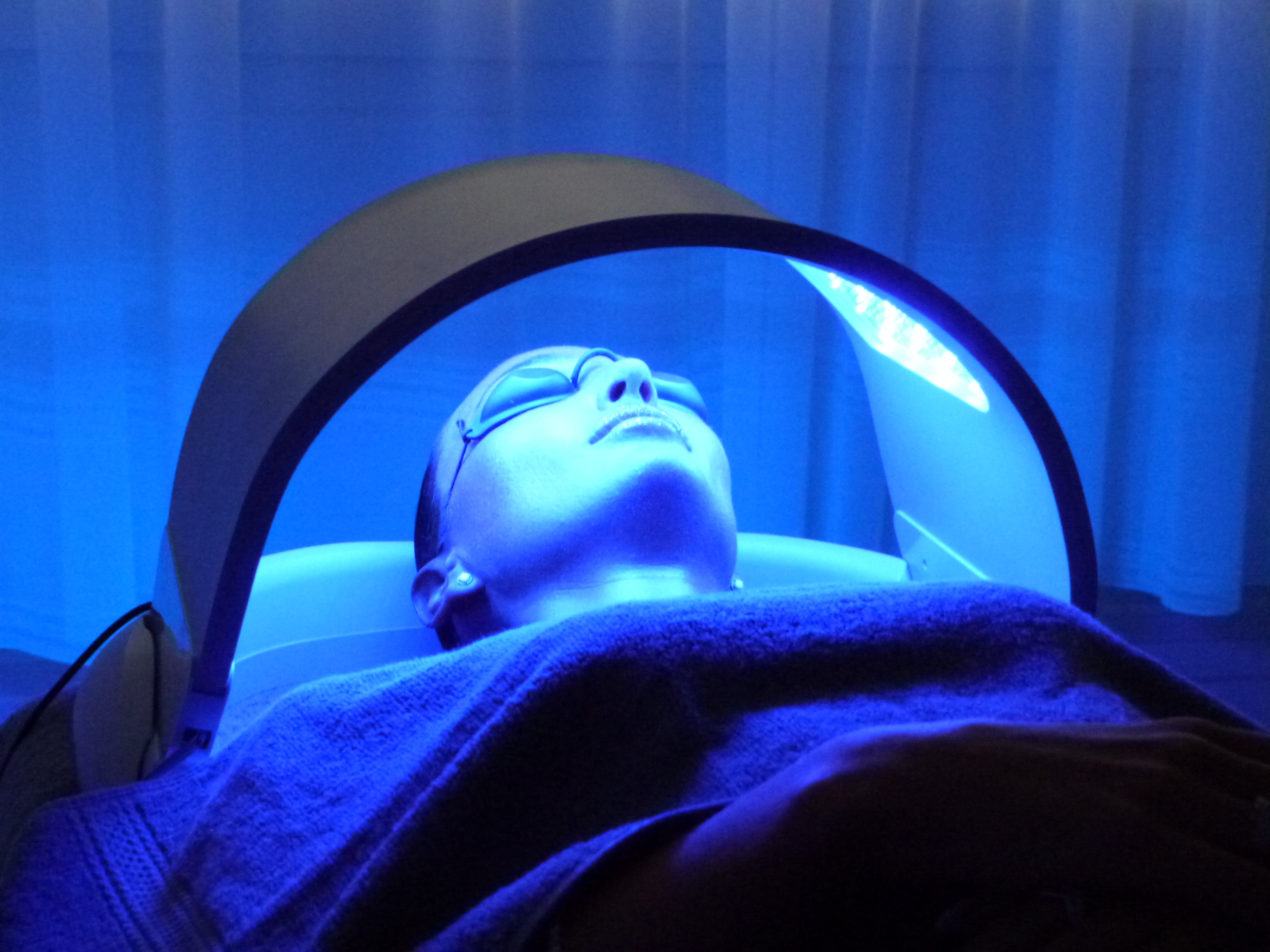
Pulsed cold plasma is one such modality. As a non-thermal, drug-free technology, it is designed to interact with tissue in a way that supports microcirculation, cellular signaling, and overall tissue responsiveness.
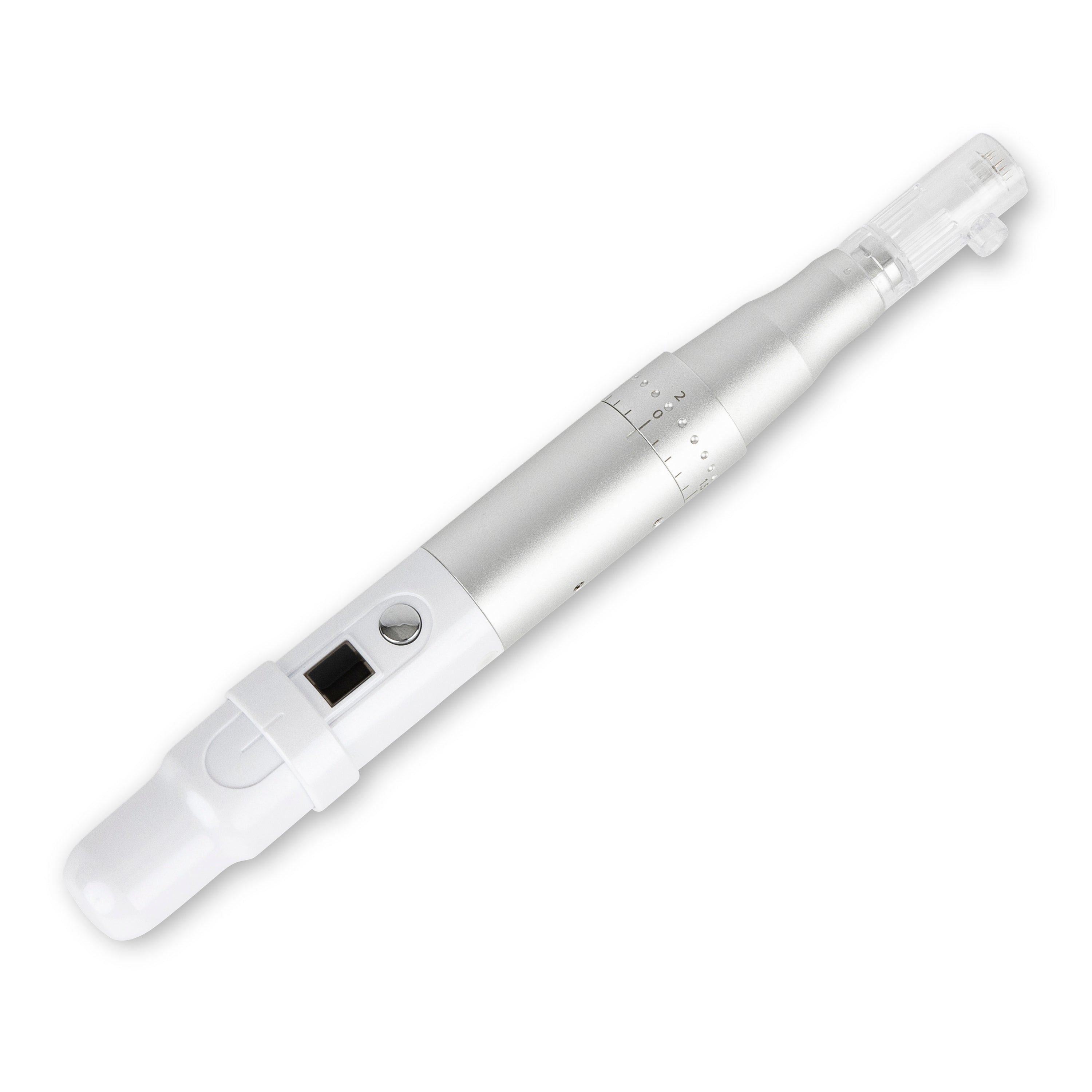
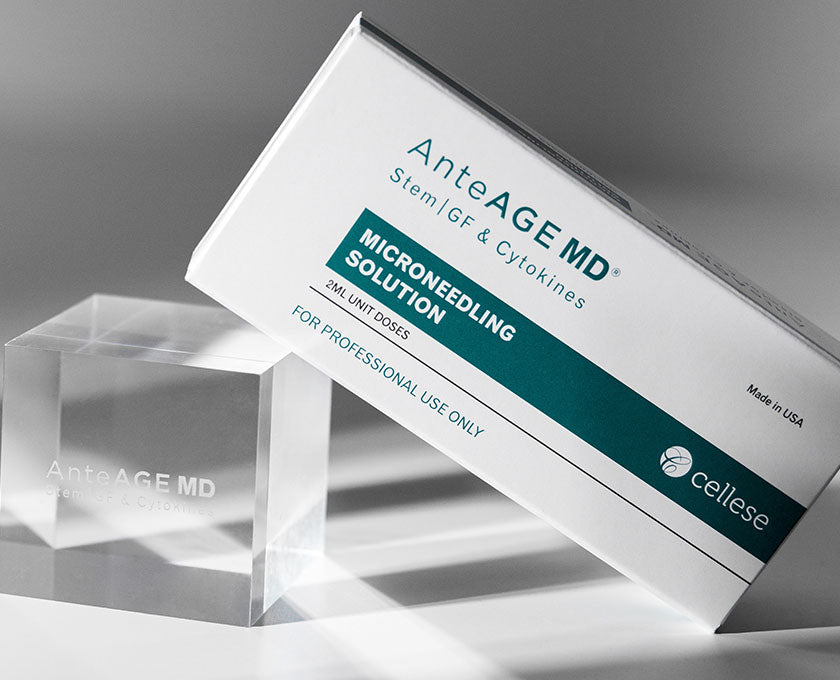
Rather than serving as a standalone solution, it is most effectively utilized alongside established treatments such as microneedling and topical growth factors. In this context, it functions to help create more favorable conditions for regeneration, supporting the body’s ability to respond to treatment.
A More Comprehensive Approach to Non-Responders
When a patient is not progressing as expected, repeating the same protocol is not always the most effective strategy.
A more advanced approach involves evaluating the broader context, including internal health factors, treatment timing, and the condition of the tissue itself. By addressing these variables, providers can move beyond a one-dimensional model of care and toward a more individualized, outcome-driven approach.
Learn more about KeraJuv here: https://whispermed.com/pages/kerajuv-home-page
Works Cited
-
Eming, S. A., Krieg, T., & Davidson, J. M. (2007). Inflammation in wound repair: molecular and cellular mechanisms. Journal of Investigative Dermatology, 127(3), 514–525.
-
Guo, S., & DiPietro, L. A. (2010). Factors affecting wound healing. Journal of Dental Research, 89(3), 219–229.
-
Gurtner, G. C., Werner, S., Barrandon, Y., & Longaker, M. T. (2008). Wound repair and regeneration. Nature, 453(7193), 314–321.
-
Prausnitz, M. R., Mitragotri, S., & Langer, R. (2008). Current status and future potential of transdermal drug delivery. Nature Biotechnology, 26(11), 1261–1268.
-
Pullar, J. M., Carr, A. C., & Vissers, M. C. M. (2017). The roles of vitamin C in skin health. Nutrients, 9(8), 866.
-
Randall, V. A. (2008). Androgens and hair growth. Clinical Endocrinology, 68(3), 327–332.
-
Takeo, M., Lee, W., & Ito, M. (2015). Wound healing and skin regeneration. Cold Spring Harbor Perspectives in Medicine, 5(1), a023267.
Read more
Over the past decade, aesthetic medicine hasn’t just evolved, it has recalibrated around a new patient mindset. Where dramatic, visible transformations once defined success, today’s patient is seek...
One of the most common questions patients ask before microneedling is simple: Does it hurt? The answer depends on more than just needle depth. While many people assume discomfort is determined sole...